[Christen Jager, HHP. CFMP]
Holistic Health & Functional Medicine Practitioner, Homeopath, Herbalist, and Nutritionist.
This blog is designed to be a holistic health information portal for
holistic nutrition, homeopathy, herbalism, accupressure, iridology, reflexology, Eastern and Native American healing arts, and the mind/body connection.
Stay Home If You're Sick
It is just good sense to stay home from work or school when you're sick, to prevent the spread of contagions.
Keep Your Hands Clean
Washing your hands frequently, especially before eating, and after blowing your nose, coughing, sneezing, or using the bathroom. Make sure to use warm water and soap, and lather up for 20 seconds!
Cover Your Nose and Mouth When Coughing or Sneezing
Avoid spreading cold and flu germs to others by coughing or sneezing into a tissue. If none is available, don't cough or sneeze into your hands! Instead, turn your head away from nearby people and, if necessary, aim for your shoulder or elbow.
Don't Touch Your Eyes, Nose, or Mouth
Cold and flu viruses are actually transferred through the eyes, nose and mouth. Try to keep your hands away from your face as much as you reasonably can.
Gargle with salt water
The flu virus in particular tends to anchor in the back of the throat and festers there. Gargling with a mix of sea salt, if you have it, and tepid water several times a day at the first sign of sickness, will possibly prevent a full-blown case. And while you are sick, it helps to clean out the germs, to aid in quick healing.
Get Plenty of Rest
Getting plenty of rest gives your white blood cells the time they need to do their job. The best cure to any oncoming illness is to REST as much as possible, the body will heal itself.
Avoid Unnecessary Close Contact
It's an unfortunate fact that a person can spread flu germs a full day before exhibiting symptoms, and then up to five days after that. Steer clear of those with flu-like symptoms - they'll understand. And if you're sick, avoid close contact with others.
Eat Plenty of Fruits and Vegetables
Eating right is always important, but particularly during cold and flu season. The vitamins and minerals found in fruits and vegetables can boost your body's immune system.
Get Fresh Air and Exercise
Fresh air in the lungs will clear out any potential germs that you have come in contact with. If you work in an enclosed environment, take "air breaks." Try not to chill yourself too much, this can make your body work over time to regulate temperature, when it should be reserving energy to stay healthy or fight sickness if needed.
Heavy metals are being churned-up by the removal of local dams on the Rogue River.
The health of our local rivers dearly affects our lives, more so than many people typically think about. It is up to the many devoted non-profit river watch organizations in this country to keep a watchful eye on the health of our countries rivers.
In Southern Oregon the Oregon Watershed Enhancement Board has helped the local counties remove 3 decrepit dams from the Rogue River in the past 3 years.
Drink in lots of water. Water is among the most abundant substances found in nature that will assist in the detoxification of the body. Water flows through the body in the blood line and systema lymphaticum and gathers up toxins as it passes across the kidneys and out of the body as urine. The greater the intake of water, the better our body is able to clean itself from adverse compounds.
Cut down the ingestion of chemicals that hurt the body and inhibit self-repair. The body has a lot of mechanisms that work to protect the body from injury. These systems include the respiratory system, gi, urinary, lymphatic and the skin and cuticular layer. Each of these systems of rules has a certain elimination mechanism that keeps the body clear of adverse substances.
Step-up your intake of foods that allow for detoxifying compounds. Raw detoxifying foods and spices will assist in the cleansing of the body. Garlic, coriander, echinacea, ginger and parsley leaf all clean our bodies. You are able to easily incorporate these spices in your general cooking. Fresh fruits are good detoxifiers, provided you consume them by themselves and not in combination with additional foods. Fresh green and red veggies are good for detoxifying.
Utilize products that bear only natural herbs, fresh fruits and veggies to clean each part of the body. Most importantly, lots of water is called for to clean each system. If what you place in your body is low in contaminants and chemicals then it will pull those that are hived away in your body out and carry them off as the water passes through.
According to a number of dietitians and nutritionists, making small changes to your diet, as well as your lifestyle, can do a great deal towards improving your weight and cholesterol levels, and also enhances you overall well being. A healthy eating plan generally involves making those small but significant changes to what you eat, and how you eat. Here's why how small diet changes can have positive effects on your health.
Switch To Healthy Fats
A few decades back, whenever we were told to cut back on dietary fat, many of us sadly went extreme, and actually gave up on good nutrition as well. A healthy diet includes the consumption of healthy fats and oils, which are derived from fish, legumes and nuts. Low-fat diets can also help to increase the body's level of HLD, or good cholesterol. Good sources of healthy cholesterol include fatty fish, which is rich in Omega-3 fatty acids, and they are good for the heart.
Lessen Your Serving Size
If you're the kind who loves super-sizing your food, since switching to up-sized drinks fries and burgers at the fast food joint only costs a few bucks, you may be loading your system with a lot of artery-clogging fats. Make sure that you check your food item’s health labels, because each extra calorie will add on to those pounds of unwanted fat that are stored in your body. A recent report by the American Journal of Public Health notes that obesity rates have soared up because serving portions and sizes have grown too. The best thing to do is to decrease your usual serving portions of food by a quarter or a third. Instead of serving the usual hamburger-sized bun, give yourself sandwiches on dinner rolls, and make it a habit to order child-size portions each time.
Increase Your Intake Of Fruits and Veggies
In 1999, the US National Cancer Institute, in tandem with the Produce For Better Health Foundation, began a five-day program to encourage people to eat five to nine servings of fruits and vegetables each day, to reduce the risks of developing certain cancers. Today, more public and private health programs advocate increased vegetable and fruit consumption among the public. Five to nine servings of vegetables and fruits per day, according to the NCI, helps reduce a person’s risk of developing certain cancers, heart disease, diabetes, high blood pressure and even macular degeneration. Serve yourself at least one serving of fruits and veggies every breakfast, lunch and dinner. Also, stock-up on dried or canned light fruits, and buy fruits in bulk, whenever they're in season.
If you slowly educate yourself the basics of good nutrition, and you also start making healthy lifestyle and food choices, you'll certainly be able to see positive changes in your body, as well as in your general outlook. You'll feel better about yourself, and you’ll have a better attitude towards family, friends and work. You'll also have a lot of energy left at the end of the day to do the things you want.
A Closer Look at Natural Means for Dealing with Endometriosis
Endometriosis is a painful gynecological disorder that leaves many women and doctors puzzled. It is truly a medical enigma in that every case is different and no two women have the same symptoms. Plus, these rogue endometrial tissues (uterine lining cells) tend to wreak havoc in the abdomens of over 70 million women and girls who have endometriosis worldwide.
Endometriosis grows much like a cancer, taking over everything it touches, mainly the organs and surrounding tissues – bladder, peritoneum, fallopian tubes, ureters, and the intestines.
A toxic overloadon the system is created from the continual cycle of endometrial tissue building up and breaking down. The surrounding tissues and organs need to absorb this excess blood and tissue causing a proliferation of decaying cells throughout the abdomen. The affected areas still need to function regularly and this process is very taxing on the body. Fatigue and exhaustion are a constant side effect for many women with this disease.
Contemporary ways of dealing with endometriosis are typically hysterectomies and hormone pills or shots; all have a plethora of side effects. These dramatic procedures may be appropriate for many cases, but some women need and want other options. Additionally, anti-inflammatory and analgesic medications may seem completely necessary for most sufferers of this disease, but there are other more natural options available for pain management like homeopathy and herbs.
Alternative and natural medicine has been ripe with methods for dealing with women’s problems since the time of Hippocrates. Many of these protocols and modalities are still available today. The World Health Organization (WHO) estimates that almost 80 percent of the world still practices culturally traditional medicine for most of their health concerns.
There are several proven modalities that are deemed helpful in cases of endometriosis. A choice selection of natural health theories and medications worthy of looking into further can all be categorized under the umbrella of Complimentary and Alternative Medicine (CAM).
Complementary Approach
CAM is an East-meets-West approach to healthcare that has been beneficial to many who suffer from chronic diseases such as endometriosis. Some modern medical options have proven beneficial to the health of women with this disease; whereas other modern methods can cause some women more pain and suffering. In the opposite manner, there are age-old holistic healing methods that work well for some women, while for others they are not effective at all. But using them together in synchronicity is where most success stories appear.
A long-term commitment to personally healing is required for any natural or less aggressive modality to work. With CAM using the healing power of nature and modern science together with proper diet and lifestyle habits, have universally proven to be a successful method of treating endometriosis.
An example of this concept may be seen with the use of 5-hydroxy-tryptophan (5HTP), which is a neuropeptide that has been synthesized in the lab. Many people suffering from autoimmune disorders and their related depression issues have utilized this supplement with positive results; both mental and physical improvements have been documented. 5HTP is not a prescription and is widely available on the market. This key element aids the body in regulating serotonin levels in the brain, and it helps balance the central nervous system, effecting overall health.
Naturopathic Medicine
Through the use of nutrition, supplements, and lifestyle adjustments, naturopathic practitioners can balance a women’s physical and mental state of health. Hydration, cleansing and external treatments (creams and heat compresses) may also be used for the relief of pain and swelling in the abdomen in particular. Most naturopaths take a broad-spectrum approach to healing and will consider all facets of the traditional healing arts for treatment plans when they are dealing with endometriosis. They tend to stand behind the theory that “we are what we eat”; working closely with vital nutrient intake through nutrition therapy and dietary adjustments.
A naturopathic doctor can also order a series of tests to determine the seriousness of the disease. These may include tests that look for toxins in the hair or blood, and a panel of hormones to rate the progesterone/estrogen levels. This helps them make an effective treatment plan that may include hormone replacement therapy.
Traditional Chinese Medicine (TCM)
TCM is considered to be one of the most effective alternative measures for dealing with endometriosis outside of mainstream medicine. With the combined use of ancient herbal remedies and acupuncture, the stagnated energy (chi), blood and tissues are mobilized, than any underlying symptoms of the disease are diagnosed and treated. Chinese herbal formulas can have up to 15 – 20 herbs in each, and they are customized to individual cases based on their various symptoms and endometrial growth cycles.TCM does usually require a certain level of commitment for it to work well though.
Stress
An important mediator of inflammation for women with endometriosis is stress. Both physical and mental stresses take their toll on the body through the mechanism of the inflammatory response.
In times of stress, the adrenal glands release cortisol and other stress-related hormones (fight-or-flight syndrome) preparing our muscles for action as a survival tactic. In today’s busy world though, many people are caught in this constant state of stress, creating messages that are constantly sent to the immune system, effectively telling it to shut down. These instinctive signals are also sent to the skin producing an inflammatory response; this chain-reaction plays a key role in endometriosis growth, swelling and pain cycles.
Inflammatory Response
Over a long period of time this inflammatory response becomes toxic to the body, destroying brain cells and elevating our blood sugar; causing damage to the immune system as a whole. This makes a person more susceptible to infections, diseases and cancers.
The inflammatory response responds well with a natural approach towards healing. Most holistic modalities used for endometriosis promote dealing with chronic stress and symptoms of the disease through diet, exercise and stress reduction.
Pain Relief Through Movement
Yoga, Pilates and tai chi areall low impact exercise options for delicate people.On extremely painful days, women with endometriosis can still manage to do a modified version of a work out.
The heart rate is increased with both tai chi and Pilates since they are more active; whereas yoga would be great for stretching, moving the lymph through the body, keeping limber and eliminating fluid buildup.
There are many yoga poses that can help reduce abdominal inflammation and pain. An example of a pose that is beneficial for someone suffering with endometriosis is the Legs-up-the-wall pose (Viparita Karani), it can help balance the endocrine and nervous systems while increasing blood flow to your pelvic region.
Pilates with a ball is agreat low-impact full-body workout that is appropriate for someone with an abdominal disorder like this.One good exercise for endometriosis is tobounce on the ball to waist height, reaching both hands up to the ceiling and landing balanced on the ball, repeating 20-50 times.Also, when the midsection hurts all the time, doingcrunches on the ball is a much lower stress workout than conventional sit-ups or crunches.
Tai chi is an ancient exercise that is perfect for endometriosis sufferers, because it is known to strengthen the muscles and tone the internal organs. The precise fluid movements of tai chi can also boost the immune system by moving stagnant lymph through the body, aiding the healing process. A great workout is the traditional “8 Pieces of Silk Brocade” which is a short series of movements that have been done by monks for centuries; each one targets a system of the body bringing balance as a whole by the end of the exercise session.
Homeopathy
Homeopathy is a healing art that involves an in-depth look into an individual’s symptoms and underlying conditions. Each formula or remedy is considered for a quantity of reasons, allowing the wide variety of symptoms associated with endometriosis to be effectively treated for some women. A few common homeopathics used for this debilitating disease are arnica (topically and internally), aconite, hypericum perforatum and hystaminum hydrochloricum.
Herbs
There are several herbs that have proven effective for treatment of various symptoms related to endometriosis, such as bloating, swelling, hormone imbalances, psychological and physical and pain.
St John’s Wort, Black Cohosh and Vitex are among the most widely studied herbs that have documented successful results when used by women with gynecological disorders. Plus, Black Cohosh and Vitex are helpful for balancing hormones, and St John’s Wort supports mental health.
Some other herbs that can help to support the various needs of someone with endometriosis are ocotillo, sasparilla, yarrow, dandelion, marshmallow, motherswort, and horsetail.
Natural hormones
Many endometriosis suffers are finding great success with the use of natural progesterone creams.Traditional and natural doctors alike are currently suggesting this natural method.
The effectiveness of these creams comes from a laboratory extracted and synthesized natural progesterone from wild Mexican yams. This progesterone is the key element to cream/topical therapy. Note: wild yam creams are not the same thing. The active hormone does not occur in these, nor does the body assimilate and convert the agents into progesterone, as some brands claim to happen. Only laboratory-synthesized hormones are bio-available.
To be effective, a hormone cream must contain a minimum of 400mg of natural progesterone per ounce. The continued use of these has helped many women reduce the severity of their disease. Additionally, there are minimal side effects compared with the use of conventional hormone pills and shots.
Nutrition considerations
Eating a diet that includes a rainbow of foods provides a variety of nutrients that are needed for a healthy immune system and level blood sugars. These are two main areas of focus for an endometriosis diet.
Nutrient rich foods that should be incorporated into a vigorous healing diet are high in antioxidants, omega fatty acids, and large doses of essential vitamins and minerals. Increasing the intake of the following will be beneficial - raw foods, whole grains, high fiber foods, nuts and seeds, red and blue berries, dark greens, citruses and orange foods.
Watching the amount of hormones in dairy and meats is crucial to avoiding an estrogen overload. This can be devastating to women with a hormonal disease, since it may be a leading factor in the presence of extra endometrial tissue growing in the first place.
Avoiding high levels of soy protein is also recommended because the phytoestrogens they contain will aggravate the disease, since endometrial lesions feed on estrogen.
Getting enough fiber is essential for keeping the bowels moving. This is important not only to metabolism and absorption rates, but it prevents gas, bloating and constipation which all complicate the pain and swelling associated with endometriosis.
It is a good idea to shy away from simple sugars (high-glycemic foods), as they release large amount of insulin into the bloodstream and increase inflammation.
Carbohydrates that quickly convert into sugar are things like potatoes, breads, pastas, pastries, juices, chips, and white rice.
Glucose molecules that stay in the blood stream unused tend to glue themselves to collagen, making the cells stiff and inflexible in almost every part of our body. Also, excess glucose tends to deteriorate our cellular reproduction rate, making repairs and healing virtually impossible.
Another thing to consider is the inflammatory action of gluten in food. Gluten is a protein found in wheat, rye and barley and it is known to trigger an autoimmune response that causes inflammation and digestive issues. Avoiding gluten can be very helpful in preventing or eliminating flare-ups in women with endometriosis.
Sources
Perricone, Nicholas; The Perricone Promise; Warner Books; New York, NY; 1997
According to Natural News and many health related sources - the flu vaccines administered this last year have come with many complications because they were pushed to market - namely miscarriages and increased cases of influenza. Pregnant women, elderly and people with compromised immune systems are really the only people that "need" the yearly vaccines. Perfectly healthy people have a 50/50 chance of getting the flu with or without the shots (according to my research.)
I advise anyone thinking of getting a seasonal flu shot in particular to do some basic research. Get the published facts on the H1N1 vaccine from the CDC, but keep in mind that they work for the FDA and tend to not publish ALL the facts, only the good ones.
The real truth is not always available and you need to be your own health advocate in our busy world. Anything that is heavily marketed and related to your health should be approached with caution, since some corporation is likely to make a big profit from the sale of the product.
As with anything, natural health advocates typically favor NO intervention, but I personally think that there is a place for modern medicine in our world, but it is NOT the be-all and end- all...
~~~~~~~
I firmly believe parents that do vaccinate need to be educated as to what is being shot into their children. I personally vaccinate my children for the big diseases and shots required for public school, but I keep on top of the available literature and watch their records closely. Since not all doctors and nurses are personally attached to your child, mistakes will be made and duplicate shots can really cause some harm.
Color therapy is a form of energy healing that combines the observation of particular colors with psychological effects they have on your well-being. Color does effect how we see the world around us, how we cope with daily stress, and our over-all mood.
Color can be introduced into your daily life in many ways - fresh cut flowers, artwork, accent paint, jewelry, clothing or lighting.
Many of us have walked into a room that was painted in a noticeable hue like pink or green or blue and have felt some sort of calm or energy or chill. Not really making the connection with the color is normal, but scientists and decorators alike have made this observation and use it around us everyday .
Hospitals dress the doctors in green, it is healing and positively stimulating, instilling confidence in the care provider. Waiting rooms usually have a tone of pink in the paint or decor, to calm restlessness and ease tension. Basically, color is energy, or rather a reflection of light into a particular spectrum, and light is energy. We absorb it and react to it in many ways.
This chart provided by my alma mater, American College of Health Sciences, is a good introduction to the concept of color and its effects on mood.
I am a big supporter of natural pain relief. I have had my own chronic pain to deal with for many years now, actually my whole adult life.
I had a really bad hit and run accident when I was 18 - me on bike, the other guy in a BIG red truck. Needless to say the 5 herniated discs and blown out shoulder are just a few of my daily aches and pains after 20 years.
Since the accident, there were other car related incidents that re-injured and added to my list of pain to deal with.
In the years of trying to have babies, we found that I have internal scarring related to endometriosis that is quite painful and was making it very hard to have children. WE were successful and have 3 miracles now, but it was not an easy path, nor pain-free.
I have had many opportunities to take over-the-counter drugs on a regular basis, and a plethora of prescriptions given to me by sympathetic doctors. But, I don't like pills and I didn't take them, I would just deal with the pain instead. So I found myself naturally looking for alternatives over the years.
Here is a great article that touches on how to deal with pain naturally and suggests some supplements to take.
An increasing number of people are taking control of their health with alternative medicine, complementary therapies, and preventive treatment. Because every individual is different and has a unique set of needs, finding an alternative practitioner can be a challenge. ACMZONE helps people find and connect with the right practitioners by providing easy-to-use search technology, interactive profiles and other informative content.
Please read this article I found it doing some research for an article I am writing.
Trans fats = BAD lauric acid = GOOD
FYI - Cookies such as macaroons, if made with desiccated coconut, are good sources of lauric acid, supplying as much as 6 grams of lauric acid per macaroon
Discovering dangers of prescription drugs after they have been marketed to the medical community and public is common. Generally, 51% of FDA-approved drugs have serious adverse effects not detected prior to approval.1 Each year prescription drugs injure 1.5 million people so severely they require hospitalization. In addition, prescription drugs cause 100,000 deaths annually.2 With these numbers, how can the public be protected from dangerous drugs?
A recent study in JAMA examined the incidence of serious and fatal adverse drug reactions (ADR) in hospital patients. An ADR is any harmful, unintended, or undesired effect of a drug. This definition does not include drug abuse nor intentional or accidental drug overdose.2 The results of this study were conclusive: the rate of severe and deadly adverse drug reactions in U.S. hospitals was found to be extremely high—high enough that ADRs ranked fourth, after heart disease, cancer, and stroke, as a leading cause of death in the U.S.2
Despite FDA attempts to incorporate various drug safety measures prior to approving prescription drugs, they often overlook potentially dangerous effects. The use of prescription drugs is often crucial; however, in order to avoid potentially harmful side effects and drug-interactions, natural remedies should be incorporated whenever possible. Herbal therapies and nutritional supplements may support the relief of many health problems without the harmful effects of prescription drugs.
Biological Name: Echinacea purpurea, Echinacea angustifolia, Echinacea Pallida L.
Other Names: Narrow-leaved purple coneflower, Sampson root, Black Sampson, Red sunflower, Echinacea Sacred Plant (by Native Americans), Purple coneflower
Parts commonly Used: roots and leaves
Properties: Alterative, antiseptic, tonic, depurative, maturating, febrifuge and is a general stimulant to the immune system
Common uses: Canker sores (mouth ulcers) Common cold/sore throat Crohn's disease Gingivitis (periodontal disease) Immune function Influenza (flu) Recurrent ear infection Yeast infection
Active Compounds: Echinacea purpurea contains iron, iodine, copper, potassium, sulphur, vitamin A, vitamin E and vitamin C. Echinacea purpurea also contains polysaccharides, resembling bacteria, which motivate the healthy white blood cells attack bacterial invaders. Echinacea purpurea offers the body an overall feeling of well being, and for this reason studies of Echinacea continue today.
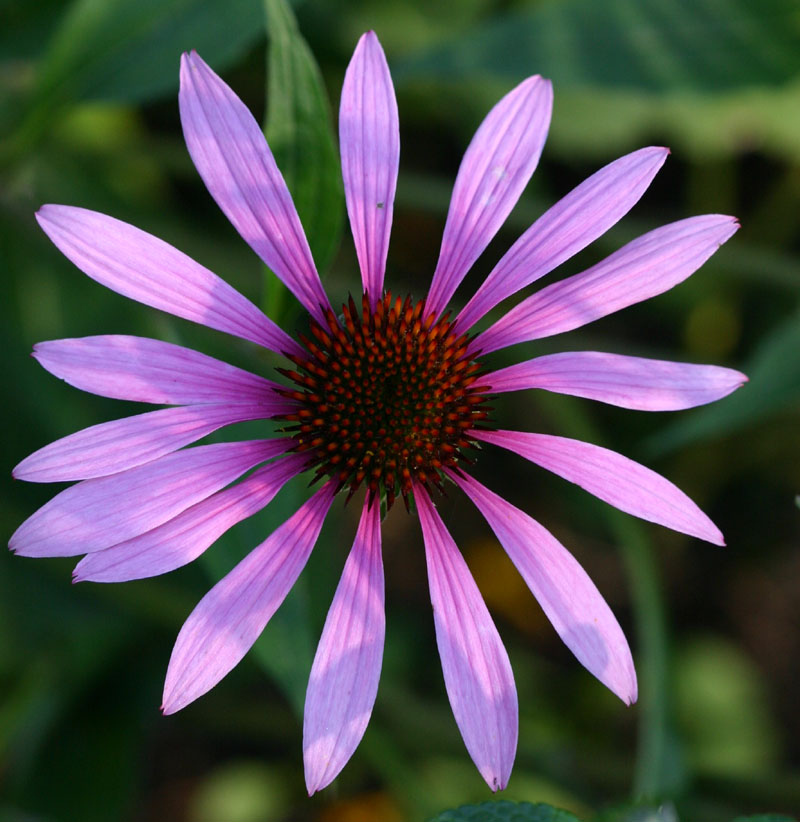
Description of Plant: Echinacea is a perennial wildflower native to North America. While it continues to grow and is harvested from the wild, the majority of that used for herbal supplements is from cultivated plants. The root or aboveground part of the plant during the flowering growth phase is used medicinally. Coneflower gets its common name from the arrangement of a conical disk made up of numerous purple, tubular florets that resemble a pinecone.
Where Found: E. angustifolia is found in prairies. Texas, western Oklahoma, western Kansas, Nebraska, west to east Colorado, eastern Montans, North Dakota, Man. and Sask. Canada.
E. Pallida is found in the prairies and glades of Arkansas to Wisconsin, Minnesota, eastern Oklahoma, Kansas, and Nebraska.
E. Purpurea is found in open woods, thickets; cultivated in gardens. -Michigan, Ohio to Louisiana, eastern Texas, Oklahoma and much of the Southwest.
All three varieties are equal in their effects, but the Angustifolia has longer tap root than the others (6-20 in.) and Purpurea has oval coarsely toothed leaves, flatter (less cone-shaped) disk, and orange-tipped bristles on the flower heads. The distinctive daisy-like flower features 12 to 20 large, spreading rays ranging from white to purplish pink to dull-purple; they can be up to 6-inches across.
You can easily grow or harvest your own Echinacea, it is a very common garden flower, especially in the Midwest. The sturdy, bristly stems are 2-5 ft tall and bear hairy dark green leaves. Thrives in full sun throughout the year, and flowering time is June to October. The plant needs full sun and deep, light loamy soil and does best with 2 or 3 applications of balanced fertilizer during the growing season; but it will grow in poor soil. Can be heat tolerant and drought resistant. It's a good idea to mark the location of seedlings the first few years, since the plant dies back to the ground in the winter. Set out in the spring, spaced 1-1/2 ft apart. Plants from seed will take 2-3 years to flower. For medicinal purposes, you will need to wait three years before you use the root. You can use the leaves and flowers sooner, but the root is the most potent part of the plant.
What Makes It Work?
Echinacea works with the body's own defense mechanisms. Echinacea contains a substance known as polysaccharide. In some studies, this has been known to destroy tumor cells. Research is currently being conducted on Echinacea to determine its use as an immune booster, antiviral, antibacterial, and antifungal agent.
The polysaccharides called Echinacins, bind to cells and prevent pathogens from invading. By protecting cells and preventing their breakdown, they fight the spread of pathogens and reduce inflammation. Echinacin also improves immune function, this happens by recognizing an invading pathogen, our native interferon production - .an important part of the body's response to viral infections such as colds and flu. The immune cells takeover the pathogen before it can develop into something that will make you ill.
The natural antibiotics in echinacea seem to neutralize the production of hyaluronidase, an enzyme secreted by germs that enables them to penetrate body tissue and cause infections. Thus, Echinacea helps prevent germs from invading body cells, assists healing, and increases the effectiveness of white blood cells. Echinacea has been found to help reduce the inflammation of arthritus. Many herbalists use Echinacea as a blood purifier. Echinacea also seems to stimulate the flow of saliva and aid in the digestion of starches.
Historical Notes:
In the past the root was used much like an antibiotic. Echinacea was a traditional remedy of the Native American Indians in the Great Plains, where it grows wild. The Cheyenne, Comanche, and other tribes used it for many ailments, including toothaches, sore throats, tonsillitis, coughs, and blood and lymphatic diseases. Traditionally, Echinacea was used to help heal insect bites, diphtheria, carbuncles, acne, eczema, boils, peritonitis, typhoid, blood poisoning, bites and stings of poisonous insects or snakes, erysipelas, and diseases such as tuberculosis or syphilic conditions that affect the body's immune system; in addition to gangrenous conditions, diphtheria, tonsillitis, sores, infections and wounds.
A lay doctor, H. C. F. Meyer, "re-discovered" Echinacea in the 1870s, and within 20 years it became the most popular herb of the era. Dr. Meyer was so confident in his claims that he offered to "allow himself to be bitten by several rattlesnakes to prove the truth of his claims. Meyer claimed to know of over 600 cases in which his remedy had not failed to cure rattlesnake bites." (Echinacea: Nature's Immune Enhancer, Stephen Foster, 1991)
It was formally introduced into US. medical practice in 1887, but Modern scientific research didn’t start until the 1930s in Germany. Since it has been in continuous use for treating arthritis (both chronic and acute), certain cancers, and a variety of viral diseases. And it has been used throughout Europe in many combinations for basic immune system enhancement for most of the last century.
Current Treatments:
Common Cold: Echinacea is very popular for the treatment of common cold. Echinacea seems to work well in conjunction with vitamin C to ward off colds . It has been found effective in getting people back to health quickly as well as delaying getting other infections. Patients with weakened immune system have been found to be the most benefited from this herb.
Snake Bite: Echinacea had been used by American Indians as a remedy for snakebites. Echinacea is believed to inhibit hyaluronidase, a component of snake venom.
Wound Healing: Echinacea was found effective for the treatment of inflammatory skin conditions such as abscesses, foliculitis, wounds of all kinds, eczema, burns, herpes, and varicose ulcers of the leg.
Cancer: Echinacea is used to offset the depression of white cells during radiation and chemotherapy for cancer patients. Many clinical tests have shown that Echinacea stabilized the white blood cells in patients undergoing cancer treatment, whereas, the patients not receiving Echinacea had shown a continued decline in the white blood cells.
AIDS: Echinacea had been used to treat infections for many things., now there are some anecdotal reports of using Echinacea for, more research needs to be done in that area before any conclusions can be reached by the scientific community.
Infections: Echinacea enhances the body's immune system. It has been shown effective for treating conditions such as influenza, colds, upper respiratory tract infections, urogenital infections, and other infectious conditions.